In 1926, Gold Cost $20.67 an Ounce — by Law
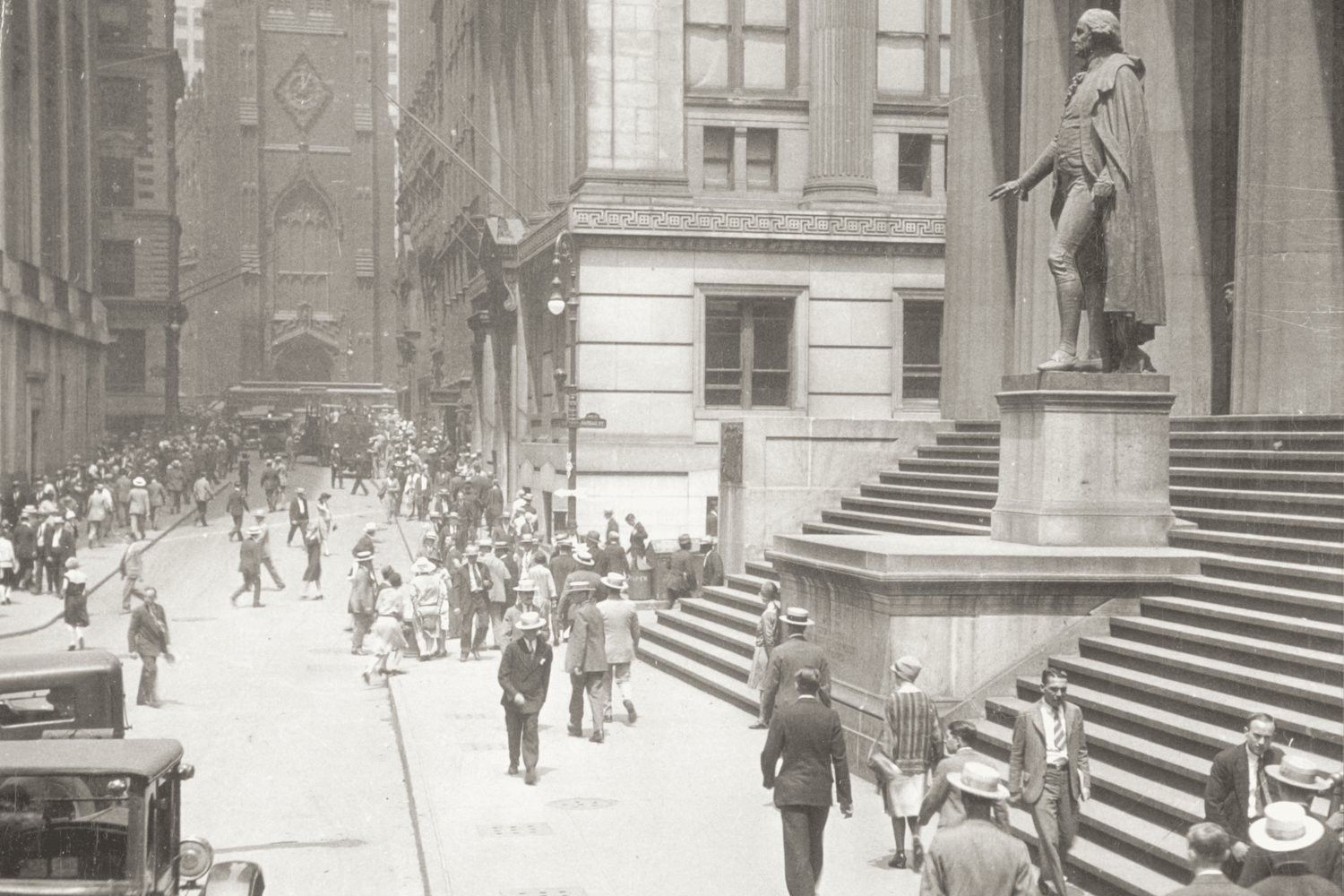
A hundred years ago the price of gold was not set by a market. It was written into U.S. law. Here is what that meant, and what an ounce costs now.
$20.67 then → $4,043 now
Five stories from exactly 100 years ago, each told through money
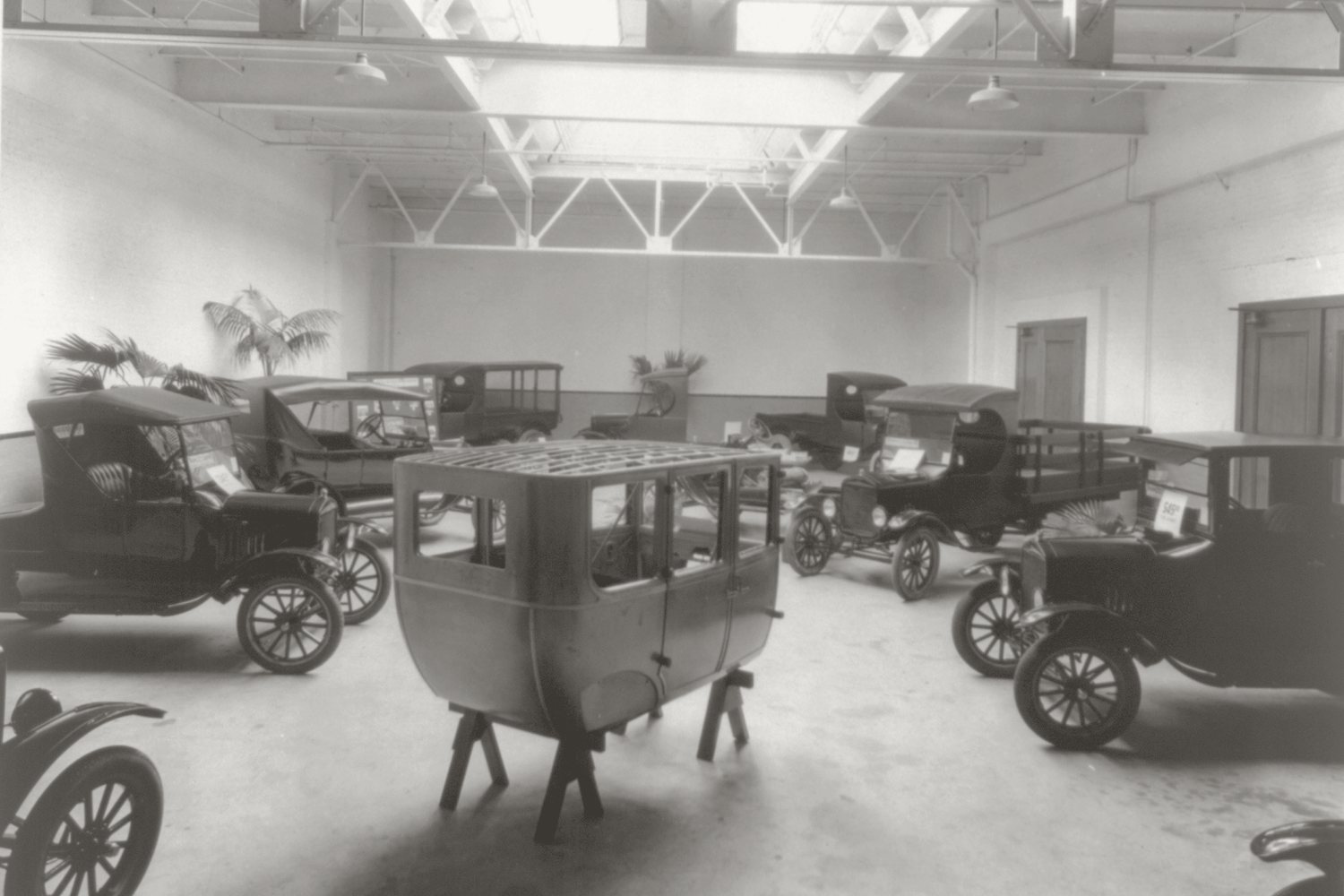
In 1926, a family did not need $380 in the bank to own a Ford. A down payment and a year of monthly bills put cars, radios and washing machines into millions of homes.
A hundred years ago the price of gold was not set by a market. It was written into U.S. law. Here is what that meant, and what an ounce costs now.
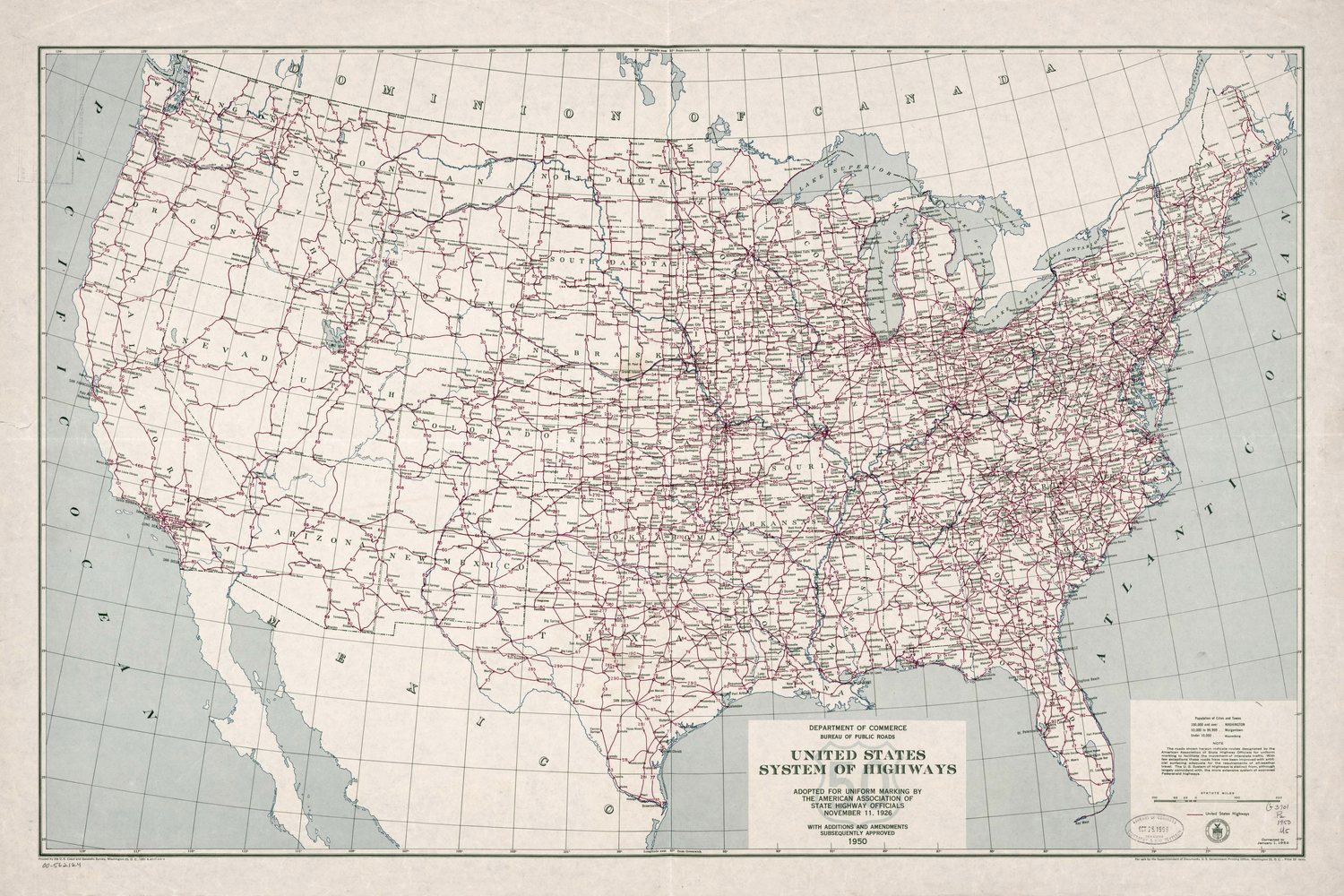
In November 1926 the nation's highways got numbers, and a 2,448-mile road from Chicago to Los Angeles got the most famous one of all. Gas stations, diners and motels followed.
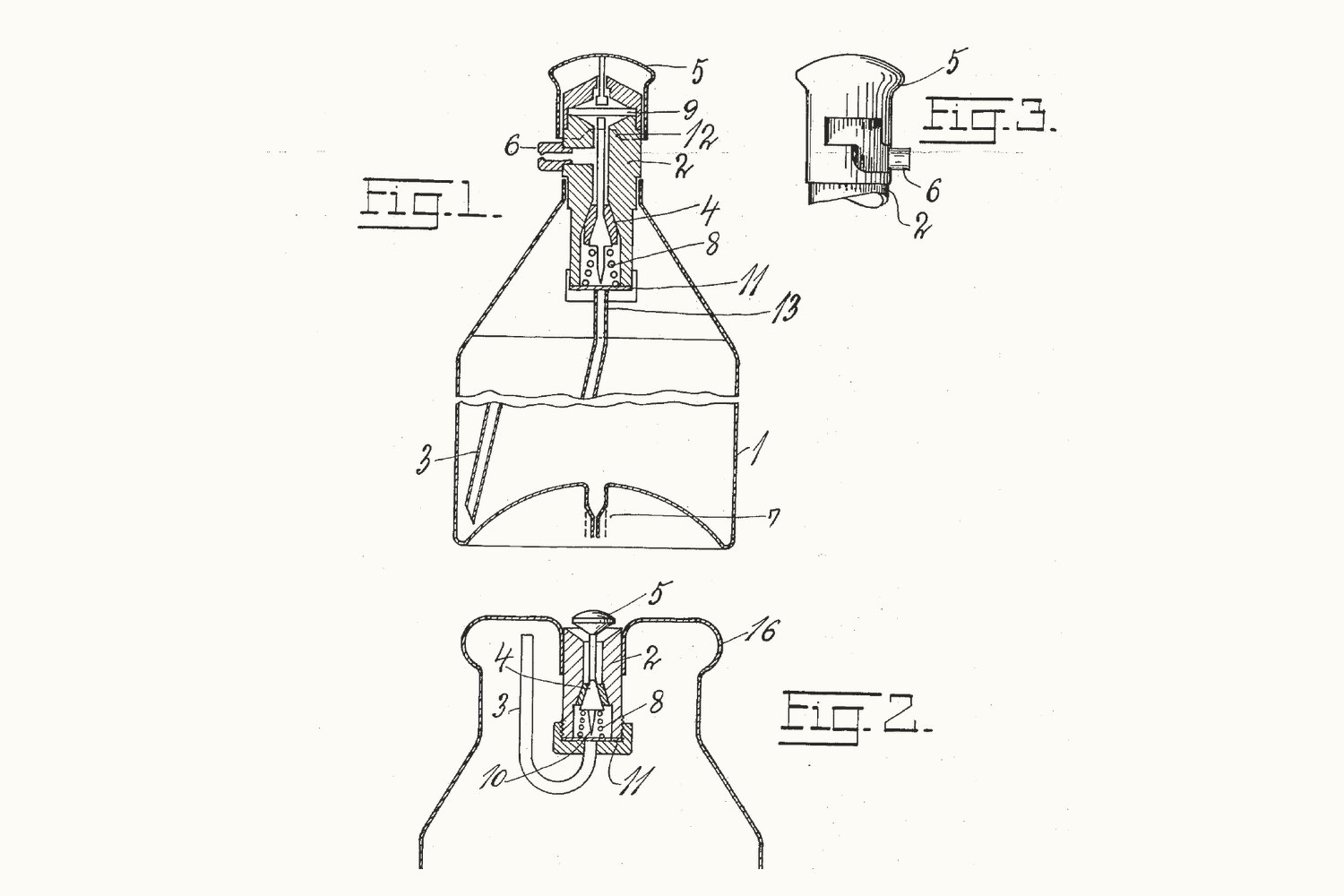
In the autumn of 1926, Erik Rotheim of Oslo asked for a patent on a bottle that could spray its contents under its own pressure. The idea now sits in almost every bathroom and kitchen.
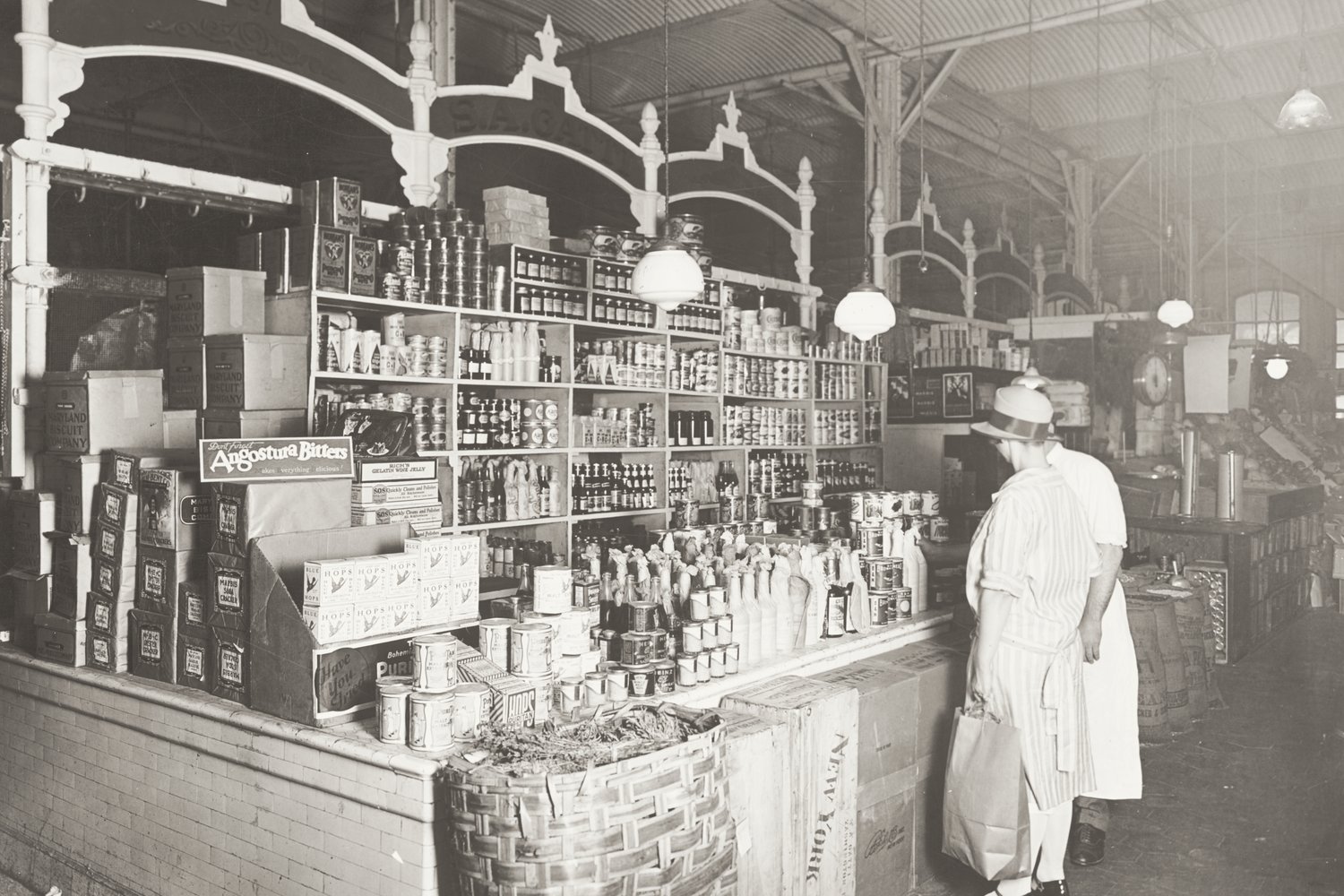
A hundred years ago, a dollar filled a basket with eggs, milk and sugar. Put those prices into today’s money and a happy surprise appears: most of that basket costs far less now.
1870–1949 · Son of immigrants, school dropout, banker to "the little fellow"
His father, an Italian immigrant farmer, was killed when Amadeo was seven. He left school at about 15 to haul and sell fruit and vegetables on the San Francisco waterfront. In 1904 he opened the Bank of Italy in a converted saloon to serve working families other banks turned away. After the 1906 earthquake he carried the bank's money out in a wagon and made loans from a plank laid across two barrels so people could rebuild; he later said every loan was repaid. By 1929 his banks had more than 400 offices in California — the roots of today's Bank of America.
A century ago, the "pay later" button already existed. It was called the installment plan.— the Wink High Desk
Every day we open the newspapers, patent records and price lists from exactly one hundred years ago and pick the stories about money, work and ideas that still matter. About Wink High
A fresh puzzle every day from our sister site, free in your browser.
Play SudokuHow to solve